The Hidden Cost of using AI on Amazon
In the world of Amazon e-commerce, there is a growing temptation to take the easy route. With the rise of AI-generated imagery and heavy-handed "Photoshop-only" lifestyle scenes, many sellers are opting to place their products into stock photos of living rooms they’ve never stepped in, alongside models they’ve never met.
On paper, it looks perfect. In reality, it looks fake. And for the modern consumer, "fake" is synonymous with "untrustworthy."
As a professional product photographer, I’ve seen firsthand how over-processed, AI-dependent content can actually hinder a brand. When a customer sees a product that doesn’t quite match the lighting of its environment, or a model whose scale looks slightly "off," they don't just question the photo—they question the product.
The Danger of the "Digital Illusion"
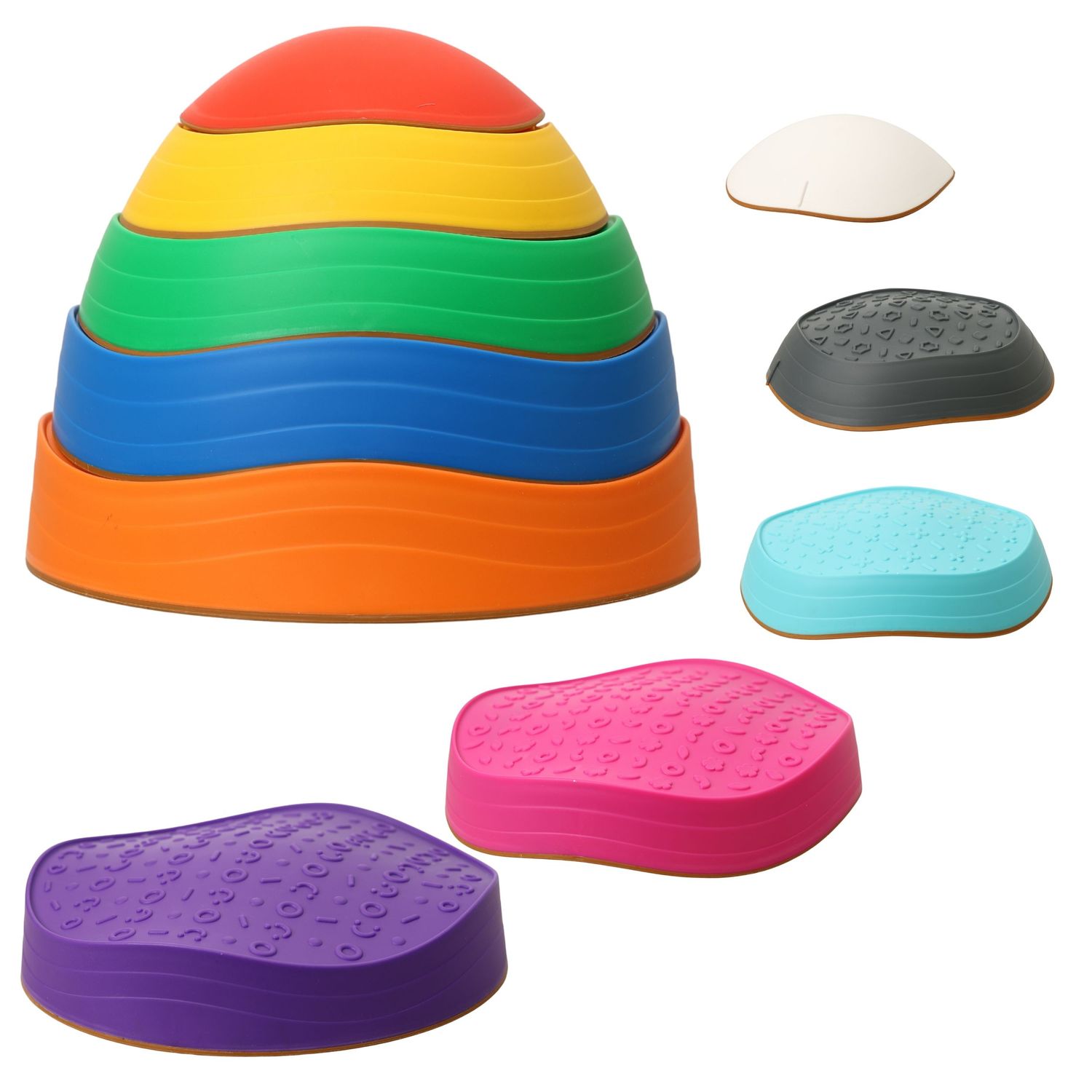
I recently worked with a new Amazon seller who developed a fantastic sensory product for toddlers: colorful stepping stones designed to help with balance and coordination.
When researching the competition, we noticed a recurring theme: almost every listing used the exact same photoshopped lifestyle images. Kids were digitally "pasted" onto stones, often with glaring scale errors that made the product look either massive or tiny compared to a real child.
If a customer buys a set of stones based on a photoshopped image and they arrive half the size they expected, that leads to the one thing every Amazon seller fears: the one-star review.
Authenticity in Action
My goal for this project was to pivot away from the digital illusion and lean into authenticity. We didn't want "perfect"; we wanted real.
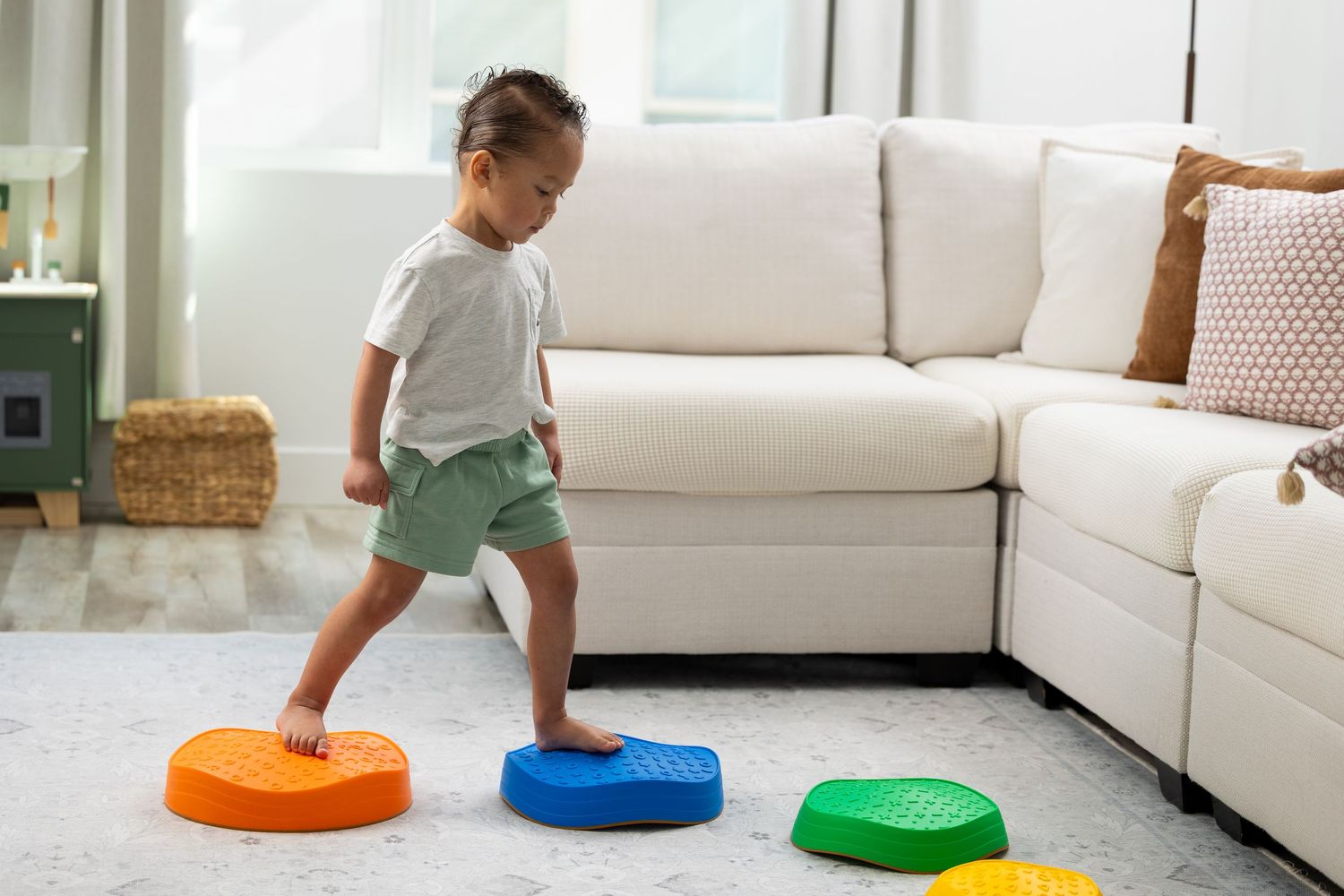
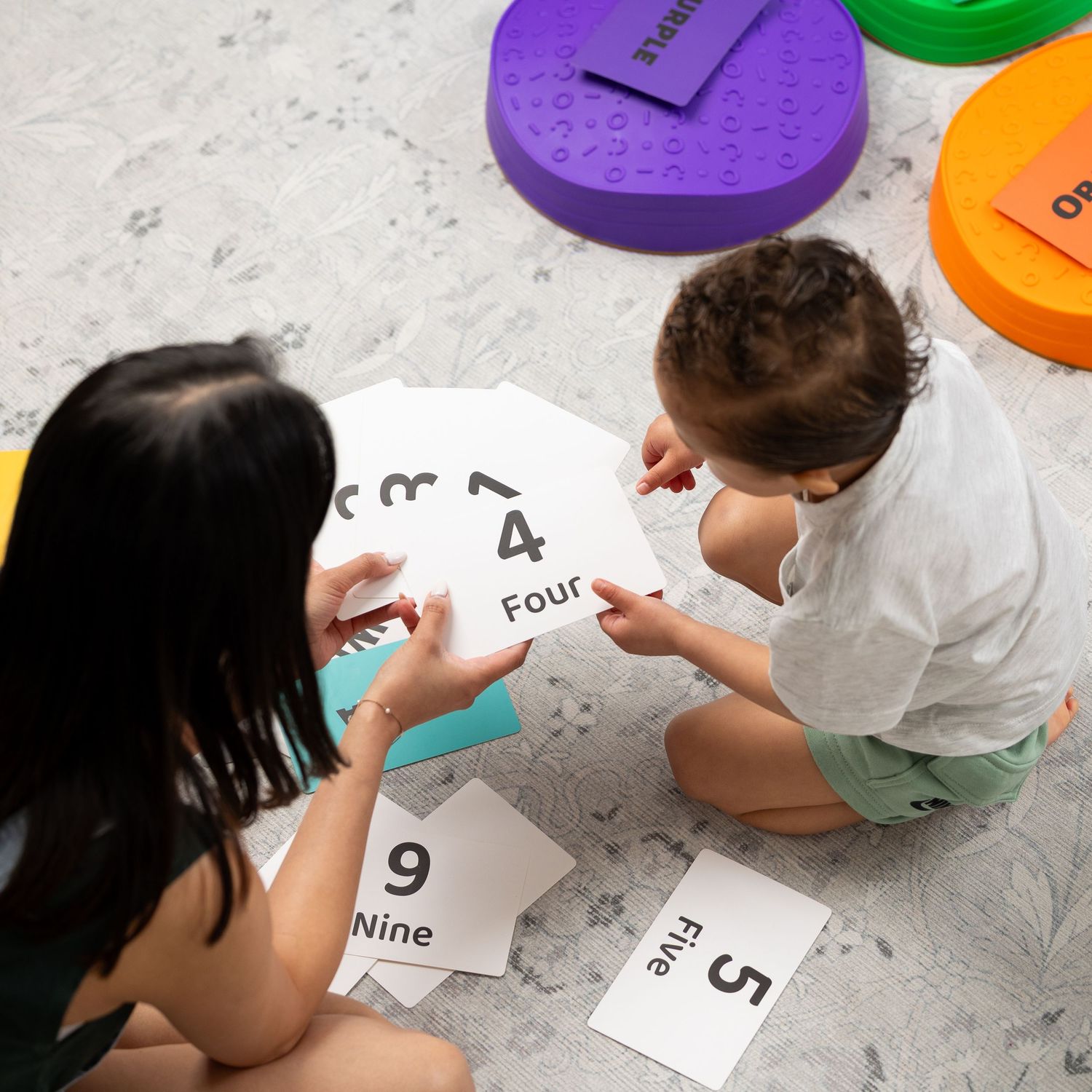
Instead of a stock background, we shot on-location at a home with a bright, clean living room. The furniture was primarily white and neutral, which allowed the vibrant colors of the sensory stones to pop without looking artificial.
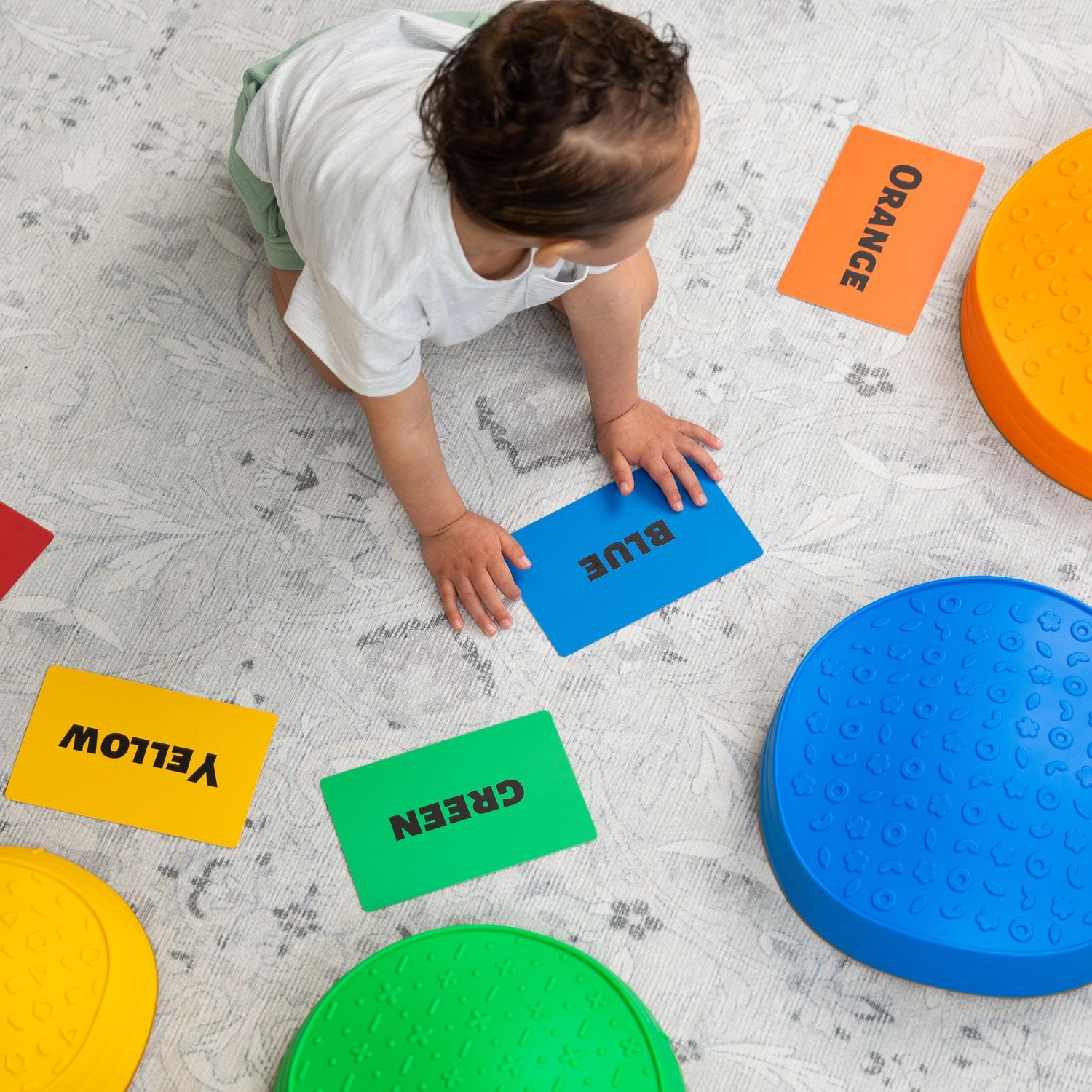
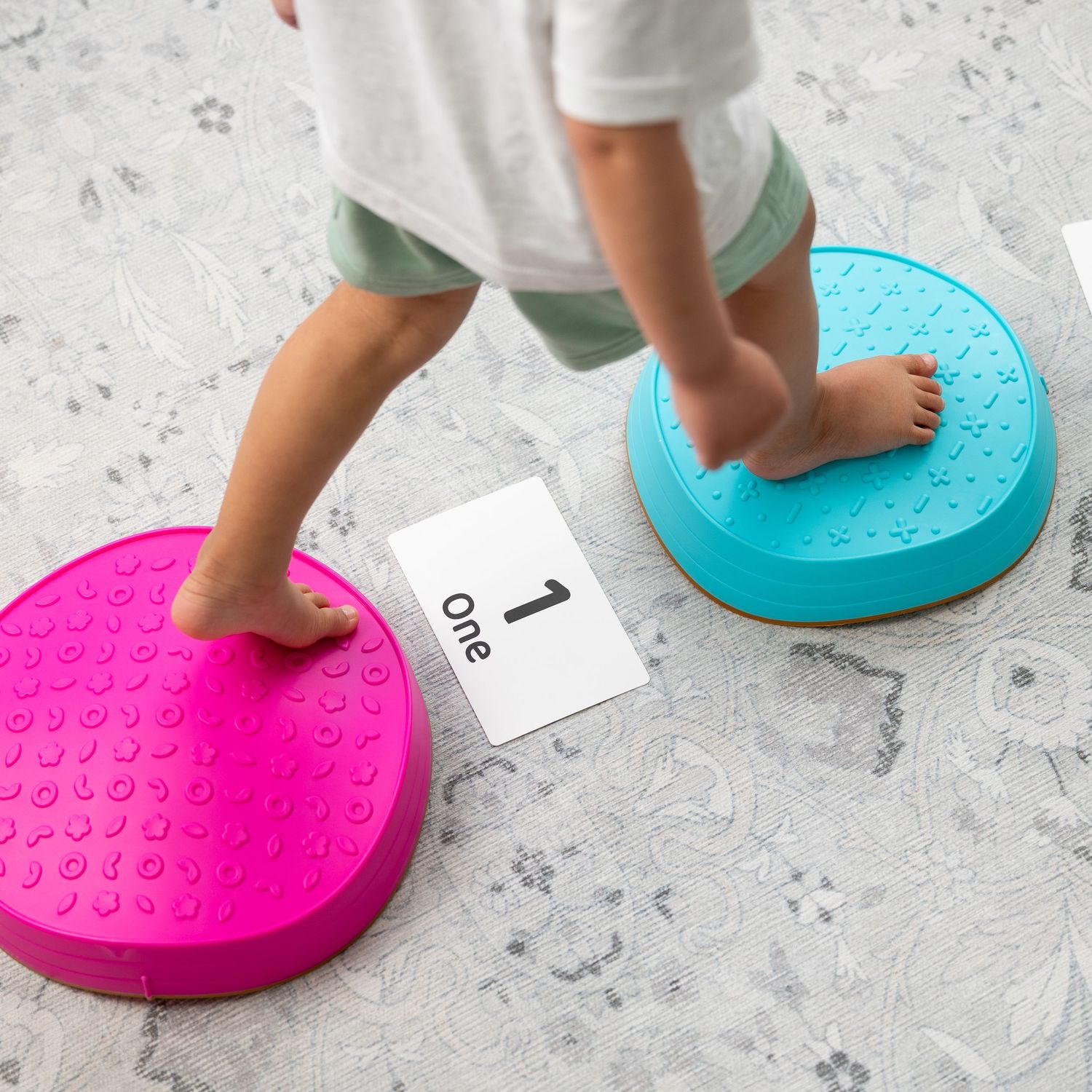
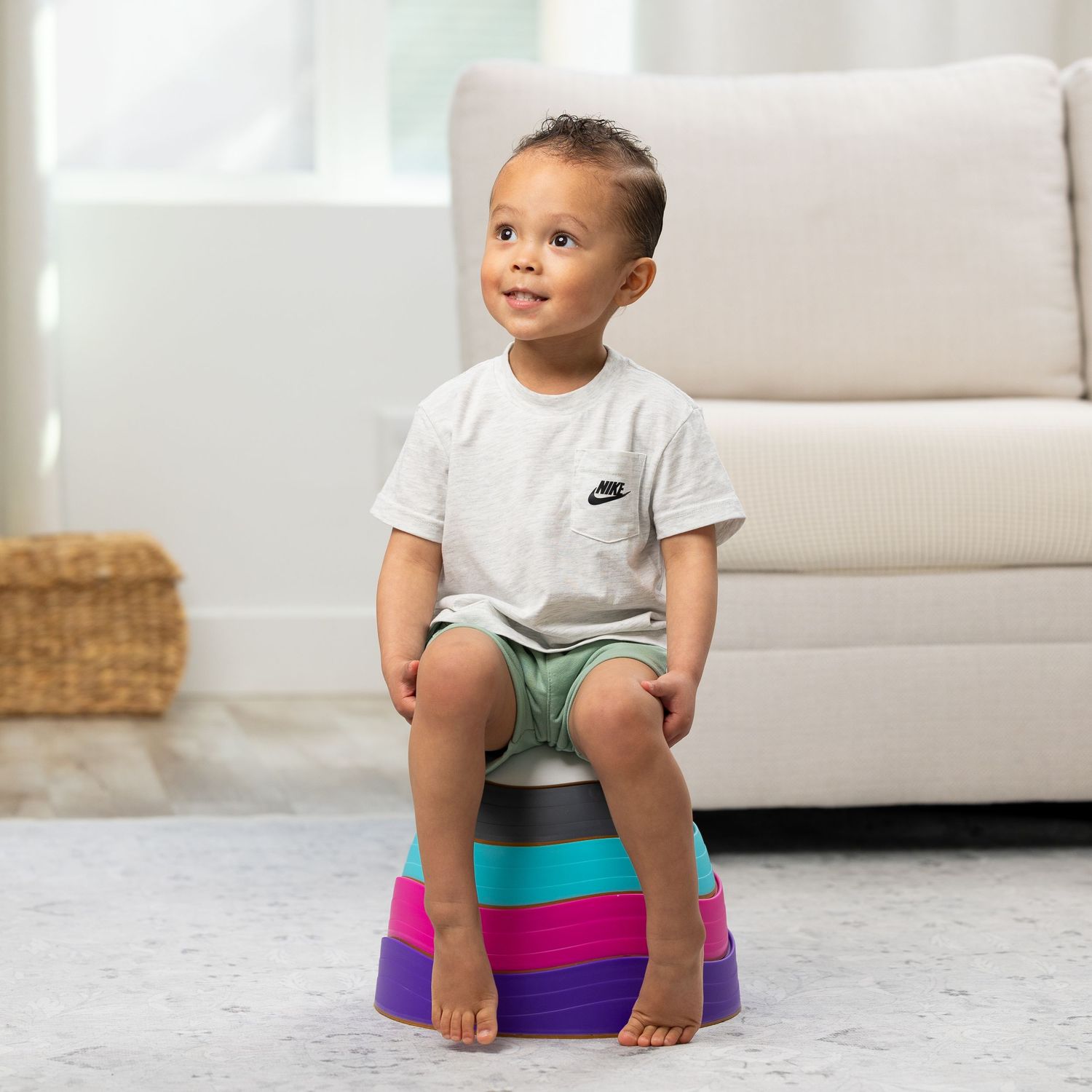
The biggest "technical win" here wasn't a fancy filter—it was hiring a real three-year-old model. By capturing a toddler actually stepping on the stones, stacking them, and using the color-matching cards, we provided something AI can’t yet replicate: accurate scale and genuine engagement. You can see the weight of the child on the stone; you can see the focus in his eyes. It’s a real-use application that builds immediate trust with a parent looking to buy.
Lighting the "Natural" Way
The challenge was creating a "light and airy" feel that mimicked soft, natural home lighting while maintaining the crisp detail needed for a high-converting Amazon listing. I had to move my lighting setup constantly to follow the action, ensuring the textures of the sensory stones remained visible and the model stayed in sharp focus.
Working with a toddler adds its own set of variables, but by letting him play and giving gentle direction like "walk slowly" or "can you stack these?", we captured multiple angles that felt spontaneous yet polished.
The Real Result
By the end of the session, I was able to over-deliver a gallery of images that didn't just show the product—they showed the experience. The client now has a library of authentic content that stands out against a sea of "uncanny valley" AI competitors.
In a marketplace where everyone is trying to automate their visuals, the most radical thing you can do for your brand is to be real. Authentic photos lead to accurate expectations, and accurate expectations lead to happy customers and a growing business.
Ready to bring some authenticity to your Amazon listing?
I specialize in professional product photography that bridges the gap between studio precision and real-world application.
Based in Draper, I work with Utah startups and brands nationwide to create images that convert because they are clear, honest, and professional. Contact me today, and let’s create something real for your brand.